After more than a decade working in Texas vision care as a licensed optician, I’ve learned that finding the right eye doctor college station is not just about getting a prescription updated. It is about choosing someone who catches problems early, explains things clearly, and fits care to your actual life. I’ve worked with patients who only came in because their glasses felt “off,” and more than once, that routine visit uncovered issues that had nothing to do with lenses at all.
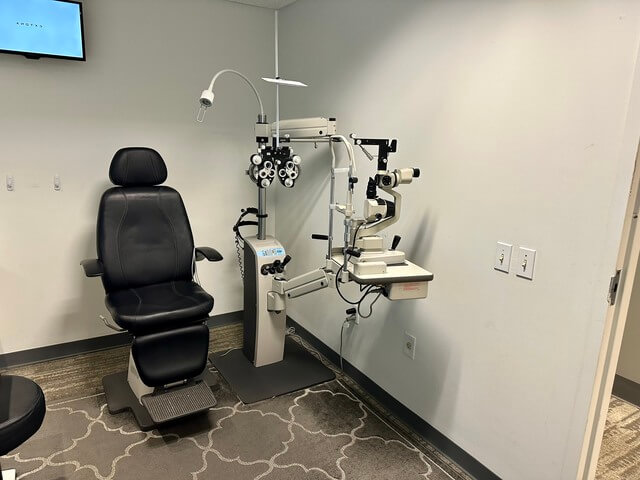
One thing I always tell people is that a good eye exam should feel more thorough than a quick read of letters on a wall. In my experience, the best doctors ask questions that seem small but matter a lot: Are your eyes tired by mid-afternoon? Do you drive at night often? Are headaches showing up after screen time? Those details help separate a simple prescription change from dry eye, eye strain, or something more serious.
A few years ago, I helped a college student who thought she just needed stronger contacts. She was squinting through late-night study sessions and blamed it on too much screen time. The exam showed her prescription had changed, but the bigger issue was that her contact lens fit was wrong for how long she was wearing them. Once the doctor adjusted the fit and talked her through better wear habits, her comfort improved fast. That kind of practical problem-solving is what I look for in an eye doctor.
I also think local experience matters, especially in a place like College Station. Between allergies, long hours indoors, and plenty of students and professionals living on screens, I’ve seen the same set of complaints over and over: dryness, blurry near vision, headaches, and contact lens irritation. A doctor who regularly treats those patterns usually gets to the point faster. That saves time and, frankly, frustration.
Another mistake I’ve seen people make is choosing a clinic based only on convenience. Convenience matters, of course, but I’ve had patients come in after putting off a proper exam because they wanted the fastest appointment they could find. One man I worked with last spring had been ordering the same glasses prescription for years without an exam. He finally came in because night driving had become stressful. His prescription had shifted more than he realized, and he also had early signs of eye health changes that deserved monitoring. He left with clearer vision, but the real benefit was catching something before it became harder to manage.
Personally, I recommend looking for an eye doctor who communicates plainly and does not rush the exam room. You want someone who will tell you when a cheaper option is fine and when it is not. I’ve always respected doctors who are willing to say, “You do not need the premium upgrade,” just as much as the ones who insist on follow-up care when they see something concerning.
If you are choosing an eye doctor in College Station, pay attention to how the office handles the full experience: scheduling, exam quality, lens discussions, and follow-up. Good vision care feels personal because it is personal. Your work, your driving, your reading habits, and even your tolerance for dry air all show up in the choices that actually help.
