After more than a decade working in the flooring industry across Colorado, I’ve seen just about every type of hardwood installation you can imagine—from century-old homes in Washington Park to brand-new builds on the outskirts of the metro area. When homeowners ask me where they should begin their search for quality materials, I often point them toward a reliable wood flooring store in Denver that actually understands the demands of our climate and housing styles.
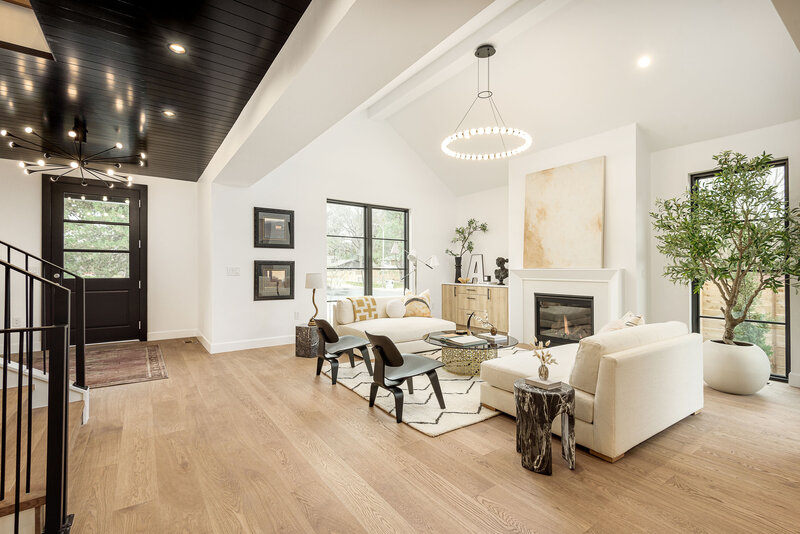
Denver presents a unique set of challenges for wood flooring. The dry air, big seasonal swings in humidity, and even the altitude can affect how hardwood behaves over time. Early in my career, I worked with a homeowner who had ordered inexpensive hardwood online from out of state. On paper, it looked like a great deal. But after one winter season, the boards had started separating because they weren’t acclimated properly for Denver’s dry conditions. That job turned into a full replacement project that cost far more than if they had sourced the flooring locally in the first place.
That experience taught me something I still tell customers today: where you buy your wood flooring matters almost as much as the flooring itself.
Why Local Knowledge Makes a Difference
One thing I’ve noticed over the years is that people often underestimate how much guidance they’ll need during the selection process. Hardwood isn’t just about picking a color or species. The thickness of the boards, the finish type, and even the way the planks are cut can influence how well the floor holds up in a Denver home.
I remember working with a couple who had recently moved from the Midwest. They were set on installing wide-plank solid oak throughout their house because that’s what they had back home. But Denver’s lower humidity can make very wide planks expand and contract more dramatically. After talking through their layout and lifestyle, we ended up choosing an engineered white oak product that gave them the same visual style with far better stability.
Months later, the homeowner sent me a message saying the floors still looked exactly the same as the day they were installed. Those are the kinds of results that come from choosing materials suited to the environment.
What I Tell Homeowners to Look For
After working on countless flooring projects, I’ve learned to pay attention to a few practical details when helping clients choose a supplier:
-
A showroom with multiple hardwood species and finishes you can see in person
-
Staff who understand installation challenges specific to Colorado homes
-
Access to both solid and engineered wood options
-
Guidance on acclimation and moisture control before installation
Those details might sound simple, but they make a big difference once installation begins.
A Lesson I Learned the Hard Way
One project from several years ago still sticks with me. A homeowner had purchased beautiful walnut flooring but stored the boxes in a cold garage for weeks before installation. By the time we started laying the boards, the wood hadn’t properly adjusted to the home’s indoor humidity. Within a few months, slight cupping began appearing in a few areas.
We were able to fix the issue, but it required extra labor and refinishing. Since then, I’ve made a point of walking homeowners through proper acclimation steps before any boards are installed.
Choosing Wood Floors That Last
Hardwood floors can last decades—sometimes generations—if they’re selected and installed thoughtfully. In my experience, the key isn’t just finding attractive planks; it’s working with a store that understands the materials and the environment they’ll live in.
After years in this business, I’ve seen the difference firsthand between floors chosen quickly and floors chosen carefully. The homes where people take the time to select the right product almost always end up with results that look better and hold up far longer.
